

Your Fall Home Maintenance Checklist for Western Pennsylvania
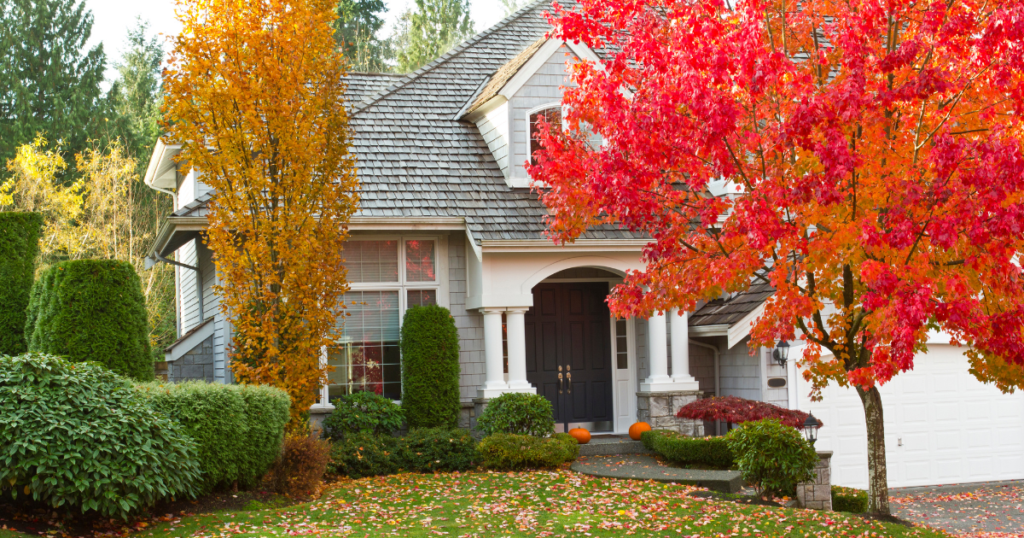
Fall is the time to get your home ready for colder weather before the first hard freeze arrives. In western Pennsylvania, that means checking your heating system, protecting vulnerable plumbing, handling exterior maintenance, and making sure your home’s safety equipment works properly.
You do not need to tackle everything in one day. Work through this fall home maintenance checklist while the weather is still mild, so you have time to address any needed repairs before winter.
1. Get Your Heating System Ready
Your furnace or boiler may have spent much of the summer sitting idle before returning to regular use. Start your fall maintenance inside with a few basic heating checks.
- Schedule professional heating maintenance. A furnace maintenance visit gives a technician a chance to inspect, clean, and test the equipment before the heating season gets underway. Boiler maintenance may include checking pressure, valves, circulators, and other operating components.
- Check the furnace filter. Replace a dirty filter or follow the manufacturer’s recommended replacement schedule. How often it needs attention depends on the filter, household conditions, pets, and system use.
- Test the thermostat. Switch it to heating mode and raise the temperature enough to call for heat. Make sure the system starts normally, then review schedules, batteries, and smart thermostat settings if applicable.
If the heating system does not start, makes unusual noises, or struggles to warm the home, schedule service before temperatures drop further.
2. Prepare Your Plumbing for Freezing Weather
Plumbing in crawlspaces, garages, exterior walls, and other colder parts of the home can be more vulnerable when temperatures fall below freezing. A few fall tasks can help you identify areas that need attention before winter.
- Disconnect outdoor hoses. Remove garden hoses and other attachments from exterior faucets so water does not remain trapped where it can freeze.
- Prepare outdoor faucets for winter. If the faucet has an interior shutoff or requires seasonal draining, follow the appropriate procedure for that plumbing setup.
- Check exposed pipes. Inspect accessible piping in crawlspaces, garages, utility areas, and along exterior walls. Add insulation where appropriate and look for drafts that expose plumbing to cold air.
- Have the water heater checked. Professional water heater maintenance lets a technician inspect the equipment and service applicable components based on the unit type.
- Test the sump pump. Add enough water to the sump pit to activate the float, then confirm the pump starts and removes the water. If it does not run correctly, have it checked before fall rain, winter precipitation, and eventual snowmelt put more demand on it.
Plumbing winterization varies from one home to another, especially in older western Pennsylvania properties. If you are unsure whether a pipe, faucet, or water line needs additional protection, a plumber can help identify vulnerable areas.
3. Take Care of Exterior Maintenance
Once the home’s major systems are covered, use a mild fall day to walk around the exterior. These jobs become much less convenient after snow and ice arrive.
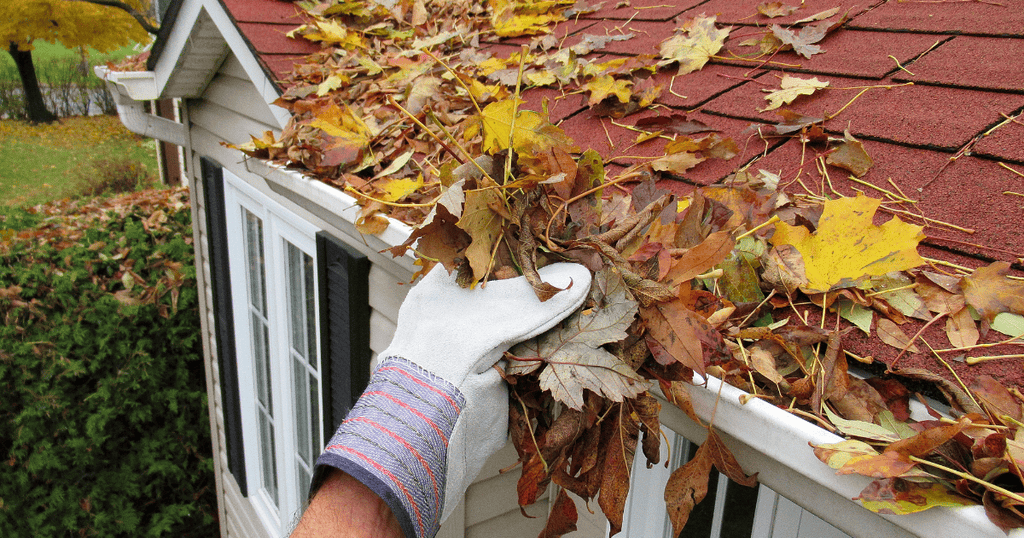
- Clear leaves and debris from gutters.
- Make sure downspouts direct water away from the foundation.
- Look from the ground for missing, lifted, or visibly damaged roofing materials.
- Check weatherstripping around windows and doors.
- Seal obvious gaps that allow drafts around doors and windows.
- Remove leaves and debris from around the outdoor HVAC unit.
- Look for damaged or overhanging branches that could become a concern during winter storms.
You may need to clean the gutters more than once if trees around your home continue dropping leaves late into the season.
4. Check Detectors and Other Safety Equipment
Fall is also a good time to make sure the equipment designed to protect your home is ready for heating season and winter storms.
- Test every smoke alarm according to the manufacturer’s instructions.
- Test carbon monoxide detectors, especially near sleeping areas and fuel-burning equipment.
- Replace batteries when needed.
- Check the manufacture or replacement date on each detector.
- Review your standby generator’s maintenance needs if you have one.
Smoke and carbon monoxide alarms do not last forever, so check the manufacture or replacement date while you are testing them. Knowing how long smoke detectors last can help you determine when an older unit may need to be replaced.
If you haven’t checked your furnace or boiler yet, fall is also a good time to make sure your heating system is ready for a Pennsylvania winter before colder weather settles in.
What Should a Professional Handle?
You can do a lot of fall home maintenance yourself. Checking detectors, changing filters, disconnecting hoses, and clearing exterior debris are straightforward jobs for many homeowners.
Other tasks involve heating equipment, plumbing, gas, or electrical systems and are better handled by a trained professional. That includes:
- Furnace and boiler maintenance.
- Water heater service.
- Gas line concerns.
- Plumbing repairs.
- Electrical or generator problems.
McVay Plumbing, Heating, Cooling & Electrical provides heating, plumbing, cooling, and electrical service throughout western Pennsylvania, so you can handle several professional maintenance items with one team.
Request service online to schedule the items on your fall checklist that need professional attention.
Frequently Asked Questions About Fall Home Maintenance
What is the 1% rule for home maintenance?
The 1% rule is a general budgeting guideline that suggests setting aside about 1% of a home’s value each year for maintenance and repairs. Actual costs vary based on the age, condition, size, and systems in the home, so it is best used as a starting point rather than a fixed rule.
When should I do fall home maintenance?
Early fall is a practical time to begin because the weather is usually mild enough for exterior work and you still have time to address heating or plumbing concerns before freezing temperatures arrive. Some jobs, such as gutter cleaning, may need to be repeated later after more leaves have fallen.
Should I turn off outdoor faucets in the winter?
Outdoor faucets should be prepared for freezing weather, but the exact process depends on how the faucet and supply line are installed. Disconnect hoses first. If the fixture has an interior shutoff or requires seasonal draining, follow the appropriate procedure for that setup.