

Why Carbon Monoxide Detection Matters This Winter
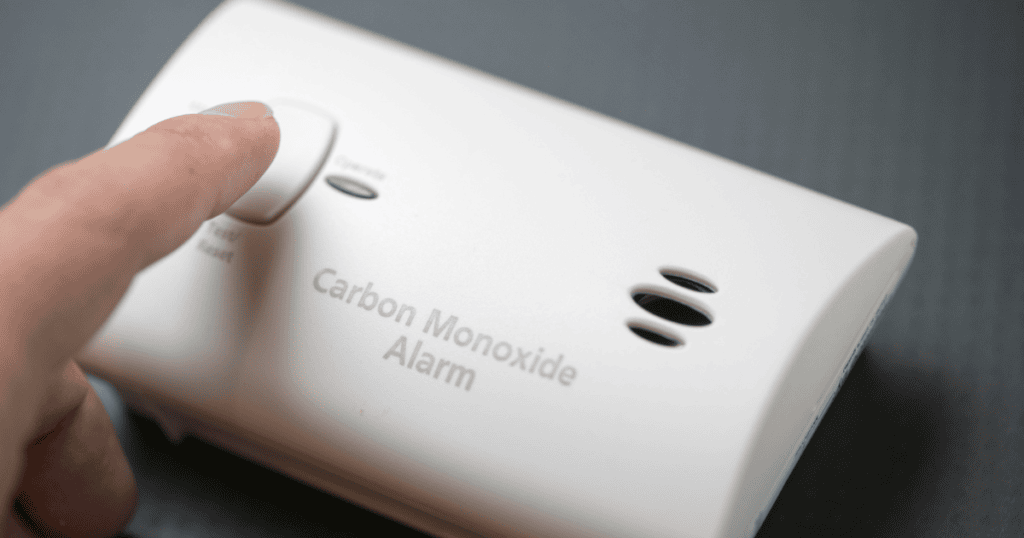
Carbon monoxide becomes a bigger concern during winter because furnaces, boilers, water heaters, fireplaces, and other fuel-burning equipment run more often while homes stay closed against the cold. Because carbon monoxide has no color or smell, a working detector may be the first warning that something is wrong.
Before heating season is fully underway, make sure your detectors work, are placed correctly, and are still within their recommended service life. It is also a good time to have fuel-burning heating equipment inspected before it spends months running regularly. Learn carbon monoxide detector tips for winter safety.
Why Carbon Monoxide Risk Can Increase in Winter
Carbon monoxide forms when fuel does not burn completely. Furnaces, boilers, water heaters, fireplaces, gas stoves, portable generators, and vehicles can all produce it under the wrong conditions.
Winter can increase the risk because:
- Heating equipment runs more often.
- Homes stay closed up longer.
- Snow or ice can block exterior vents and exhaust openings.
- Chimneys or flues may become obstructed.
- Portable generators may be used during power outages.
Combustion or venting problems can also allow carbon monoxide to build up indoors, which is one reason to inspect heating equipment before the coldest part of the year.
How to Reduce Carbon Monoxide Risk This Winter
Carbon monoxide detectors provide an important warning, but they are only one part of winter safety. Proper detector placement, regular testing, heating maintenance, and clear exhaust paths all matter.
1. Place Carbon Monoxide Detectors Correctly
Place carbon monoxide detectors where they can alert people quickly. Always follow the manufacturer’s instructions for your specific model, but common placement recommendations include:
- Install at least one detector on every level of the home.
- Place detectors near sleeping areas so the alarm can wake people at night.
- Keep detectors the manufacturer-recommended distance from fuel-burning appliances.
- Avoid corners, curtains, open windows, and other areas where airflow may interfere with the detector.
Placement can vary by detector, so follow the manufacturer’s instructions over general rules.
2. Test and Replace Detectors as Needed
A detector cannot provide much protection if the battery is dead or the sensor has reached the end of its service life.
Test each detector according to the manufacturer’s instructions, replace batteries when needed, and check the manufacture or replacement date on the unit. Check combination smoke and carbon monoxide alarms the same way.
If you are unsure how old a combination unit is, knowing how long smoke detectors last can help you decide whether it’s time to replace it.
3. Check Fuel-Burning Heating Equipment
Furnaces, boilers, and water heaters all rely on proper combustion and venting. A professional inspection gives a technician a chance to check the equipment and identify anything that needs attention before winter use increases.
A furnace maintenance visit can include inspection of combustion-related components, safety controls, and venting.
Homes with boilers should also include regular boiler service as part of seasonal preparation so technicians can check applicable burners, controls, and venting.
4. Keep Vents and Exhaust Openings Clear
Heating equipment needs a clear path to vent combustion gases outside. Snow, ice, debris, or other obstructions around exterior vents can interfere with that process.
During winter:
- Check exterior exhaust openings after heavy snow or ice.
- Keep snow and debris away from furnace, boiler, and water heater vents.
- Never use a gas oven or stove to heat the home.
- Keep portable generators outside and away from doors, windows, garages, and other openings.
Making sure your heating system is ready for a Pennsylvania winter also includes checking equipment and venting before the coldest weather arrives.
What to Do If Your Carbon Monoxide Alarm Goes Off
If a carbon monoxide alarm sounds, do not stay inside trying to find the source. The priority is getting everyone to fresh air.
- Leave the home: Bring everyone and every pet outside immediately.
- Contact emergency services: Once everyone is safely outside, contact emergency services from fresh air.
- Stay outside: Do not return to the home until emergency responders or another qualified authority says it is safe.
- Have the equipment inspected: Do not restart the furnace, boiler, water heater, or another suspected fuel-burning appliance until it has been checked.
Carbon monoxide exposure can cause headaches, dizziness, weakness, nausea, and confusion. Symptoms that improve after leaving the house, or several people or pets feeling sick at the same time, can be especially concerning.
Schedule a Heating Safety Check
McVay Plumbing, Heating, Cooling & Electrical services furnaces, boilers, water heaters, and related equipment throughout the Pittsburgh area. We can also help install smoke and carbon monoxide detectors when older devices need replacing. Request service online to schedule heating maintenance or safety-related service before winter.
Frequently Asked Questions About Carbon Monoxide Detectors
Will opening a window stop carbon monoxide?
Opening a window may bring some fresh air into the home, but it does not eliminate the source or make the house safe to remain in. If a carbon monoxide alarm sounds, leave the home first and contact emergency services from outside.
What does it mean when a carbon monoxide detector beeps?
That depends on the alarm pattern and model. A full carbon monoxide alarm requires immediate action, while an intermittent chirp may indicate a low battery or end-of-life warning. Check the manufacturer’s instructions for your specific detector.
When should you replace a carbon monoxide detector?
Replace the detector according to the manufacturer’s listed replacement date or lifespan. Many newer models also provide an end-of-life warning when the sensor needs replacement.